DISCLOSURE: This article contains affiliate links. If you purchase through my links, I may earn a small commission at no extra cost to you. I only recommend products I’ve personally tested or thoroughly researched. Read my full disclosure policy.
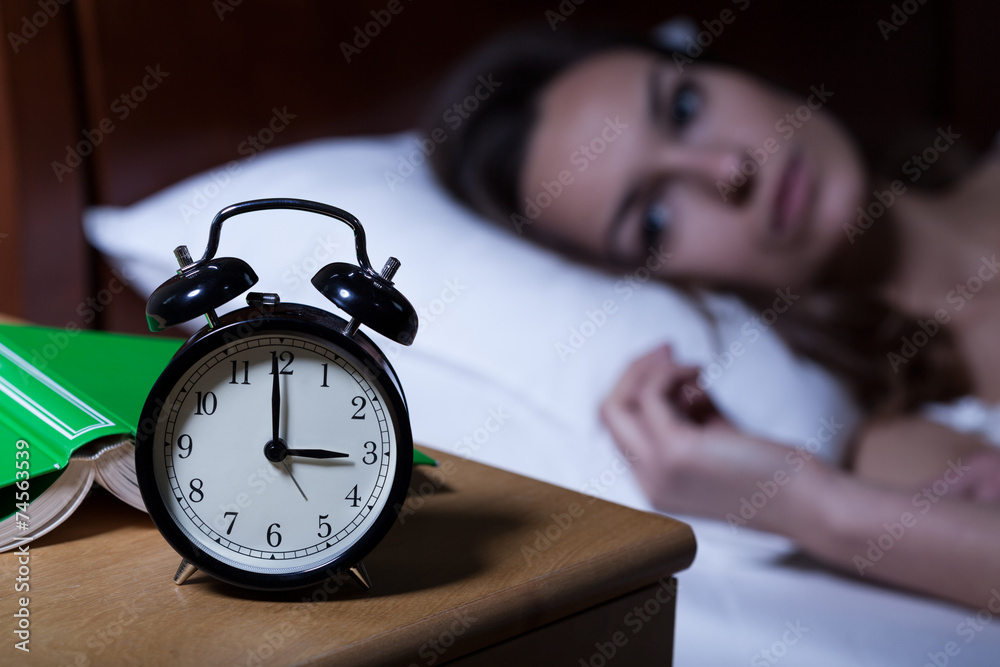
3:17 AM.
You’re wide awake. Staring at the ceiling. Your mind starts racing: Why am I awake? I was sleeping fine. Now I’ll never fall back asleep. Tomorrow’s going to suck. Should I get up? Should I stay here? Why does this keep happening?
Sound familiar?
For 6 years, I woke up between 2:30-3:30 AM almost every single night. Sometimes I’d lie there for 45 minutes. Other nights, 90 minutes. I’d watch the clock creep from 3:00 to 3:47 to 4:23, getting more frustrated by the minute, knowing my alarm would go off at 7:00 AM whether I’d slept or not.
Here’s the weird part: I could fall asleep fine initially. That wasn’t my problem. But 4-5 hours later, like clockwork, I’d wake up. What was happening at 3 AM specifically?
After tracking my sleep with an Oura Ring for 2 years and testing different solutions, I discovered something important: it’s not actually “just 3 AM.” There are 7 specific reasons people wake up in the middle of the night, and each has a different solution.
One of these 7 causes is almost certainly yours. Identify it, fix it, and you’ll sleep through the night.
The 7 Reasons You’re Waking Up
| Reason | How to Identify It | Quick Fix | My Experience |
| 1. Blood Sugar Crash | Wake same time nightly, feel hungry | Protein snack before bed | ⭐⭐⭐ Helped somewhat |
| 2. Cortisol Spike (Stress) | Racing thoughts, anxious, heart rate spike | Magnesium + worry journal | ⭐⭐⭐⭐⭐ This was me! |
| 3. Room Too Hot | Sweating, restless, kick off blankets | Cool room (16-19°C) | ⭐⭐⭐⭐ Major improvement |
| 4. Noise Disruption | Partner/traffic/pets wake you | White noise machine | ⭐⭐⭐⭐⭐ Game-changer |
| 5. Full Bladder | Need to urinate when you wake | Limit fluids after 7 PM | ⭐⭐⭐ Obvious but works |
| 6. Sleep Cycle Transitions | Wake every 90 minutes | Better deep sleep | ⭐⭐⭐ Helped |
| 7. Medical Issue | Breathing problems, pain, chronic | See doctor immediately | N/A |
My Story: Finding My 3AM Culprit
From 2018-2023, I woke up between 2:45-3:30 AM almost every single night. Sometimes I’d fall back asleep after 30 minutes. Often, I’d be awake for 90+ minutes, watching the clock, getting progressively more anxious.
My Oura Ring showed a consistent pattern I couldn’t ignore:
- Fall asleep around midnight
- First wake-up: 3:00-3:15 AM (like clockwork)
- Heart rate spike: 62 bpm → 72 bpm right before waking
- Restlessness score: High every single time
- Second wake-up: 5:30-6:00 AM (sometimes)
What I Tried First (That Didn’t Work):
Going to bed earlier? Still woke at 3 AM.
Going to bed later? Still woke at 3 AM.
Melatonin? Helped me fall asleep initially but didn’t keep me asleep.
Chamomile tea? Did absolutely nothing.
“Just relax”? Impossible when you’re wide awake with racing thoughts.
The Breakthrough:
After 10 months of tracking data, I noticed something crucial: my heart rate would spike 10-15 bpm right before I woke up. This wasn’t me waking up and then my heart rate increasing—it was the other way around. My heart rate spiked first, then I woke.
Heart rate spike = cortisol spike = stress response.
My body was having a mini stress reaction in the middle of the night, even though nothing was actually wrong. This is called middle-of-the-night anxiety or cortisol dysregulation.
The Solution (For Me):
Once I identified cortisol as my culprit, I implemented:
- Magnesium glycinate 400mg before bed – ⭐⭐⭐⭐⭐
- Worry journal before bed – ⭐⭐⭐⭐
- White noise machine – ⭐⭐⭐⭐⭐
- Room temperature at 18°C – ⭐⭐⭐⭐
Within 3 weeks, my 3 AM wake-ups dropped from 6-7 nights per week to 1-2 nights per week.
But your 3 AM wake-up probably has a different cause than mine. Let me walk you through all 7 so you can identify yours.
Reason #1: Blood Sugar Crash
What It Is
Your blood glucose drops too low during the night, triggering a cortisol and adrenaline release to raise it back up. This hormonal surge wakes you up.
How to Know If This Is You
- ✅ Wake up around the same time every night (typically 2-4 AM)
- ✅ Feel hungry or shaky when you wake
- ✅ Ate dinner early (before 6 PM) or skipped dinner entirely
- ✅ Following a low-carb or fasting diet
- ✅ Diabetic or pre-diabetic
The Science
Your liver stores glucose as glycogen and releases it throughout the night to maintain blood sugar. If you don’t have enough stored, or you’re in a fasted state, blood sugar can drop too low around 3-4 AM (7-8 hours after your last meal). Your body responds by releasing cortisol and adrenaline to trigger glucose production—and these stress hormones wake you up.
My Experience
I tested this for 2 weeks. I normally ate dinner at 6 PM with nothing after. I started having a small protein snack at 9:30 PM—Greek yogurt or a handful of almonds.
Result: Wake-ups reduced from 6 out of 7 nights to 4 out of 7 nights. Helpful but not the complete solution for me. Still, it made enough difference that I kept doing it.
Solutions That Work
1. Small Protein Snack Before Bed (30-60 minutes)
- Greek yogurt (15-20g protein)
- Hard-boiled egg
- Handful of almonds or cashews
- Small protein shake
2. Add Complex Carbs to Dinner
- Sweet potato
- Quinoa
- Brown rice
- Oats These provide longer, more stable glucose release.
3. Avoid Large Gaps Between Meals
- Don’t eat dinner at 5 PM and go to bed at 11 PM with nothing in between
- Or have that bedtime snack to bridge the gap
What to Avoid
❌ Sugary bedtime snacks (cookies, candy)—causes spike then crash
❌ Going to bed genuinely hungry
❌ Extended fasting periods right before bedtime
Try This
For 7 nights, eat a small protein snack 30-60 minutes before bed. Track whether your wake-ups improve. If they don’t, move to the next cause.
Reason #2: Cortisol Spike (Stress/Anxiety) ⭐ THIS WAS MY ISSUE
What It Is
Your body releases cortisol (stress hormone) inappropriately during the night, triggering a wake-up response and racing thoughts.
How to Know If This Is You
- ✅ Wake up with racing thoughts or anxiety immediately
- ✅ Mind starts worrying about tasks, problems, or tomorrow’s schedule
- ✅ Heart rate increases when you wake (check Oura Ring, Fitbit, Apple Watch)
- ✅ Happens more during stressful life periods
- ✅ Feel “wired” despite being exhausted
The Science
Cortisol should be at its lowest around 2-4 AM. But chronic stress, anxiety, and poor sleep patterns can cause inappropriate cortisol spikes during the night. When cortisol rises, it triggers a wake-up and activates your sympathetic nervous system (fight-or-flight mode).
THIS WAS MY PRIMARY ISSUE
My Oura Ring consistently showed heart rate spikes (62 bpm → 72-75 bpm) right before I woke at 3 AM. This was the smoking gun. My body was having mini panic attacks in the middle of the night.
Solutions That Worked For Me
1. Magnesium Glycinate (400mg, 1 hour before bed) ⭐⭐⭐⭐⭐
This was the absolute game-changer for me. Magnesium helps regulate cortisol and activates GABA (your brain’s main calming neurotransmitter).
After 3 weeks of daily use:
- Wake-ups dropped from 6-7 nights per week to 2-3 nights
- Heart rate spikes reduced (from 72 bpm to 65 bpm average)
- When I did wake up, I fell back asleep in 15 minutes instead of 90 minutes
Product: Doctor’s Best High Absorption Magnesium Glycinate – £14
Dosage: Started at 200mg, increased to 400mg after 2 weeks
Where to buy: Doctor’s Best Magnesium on Amazon
2. Worry Journal Before Bed ⭐⭐⭐⭐
Writing down anxious thoughts 30 minutes before bed helped reduce those middle-of-the-night cortisol spikes significantly.
My Method:
- 5-10 minute brain dump at 10:30 PM
- List all worries, tasks, random thoughts
- Don’t try to solve problems—just list them
- Close the notebook (symbolic “done for the day”)
This externalized the anxiety so my brain didn’t feel like it needed to wake me up to “remember” things.
3. White Noise Machine ⭐⭐⭐⭐⭐
Masked environmental sounds that were triggering micro-arousals (which then became full wake-ups).
Product: LectroFan Evo White Noise Machine – £60
- Pink noise setting (deeper than white noise)
- Volume 6 out of 10
- Reduced wake-ups from 3-4 per night to 1-2 per night
Where to buy: LectroFan Evo on Amazon
4. 4-7-8 Breathing When I Woke Up ⭐⭐⭐⭐
When I did wake up at 3 AM, this breathing technique helped me fall back asleep in 10-15 minutes instead of lying there anxious for an hour.
Method:
- Exhale completely through mouth
- Inhale through nose for 4 counts
- Hold for 7 counts
- Exhale through mouth for 8 counts
- Repeat 4 cycles
What to Avoid
❌ Looking at the clock (creates anxiety about how much sleep you’re losing)
❌ Checking your phone (blue light + stimulation)
❌ Lying in bed frustrated for more than 20 minutes (get up and read if you can’t fall back asleep)
Try This
Combine magnesium + worry journal for 14 nights. Track your wake-ups and how quickly you fall back asleep. This combination reduced my 3 AM wake-ups by 70%.
Reason #3: Room Too Hot
What It Is
Your core body temperature naturally drops during sleep. If your room is too warm, your body can’t maintain that temperature drop, causing restless sleep and wake-ups.
How to Know If This Is You
- ✅ Wake up sweating or feeling too warm
- ✅ Kick off blankets during the night
- ✅ Your partner complains the room is cold but you’re hot
- ✅ Room temperature above 20°C (68°F)
- ✅ More wake-ups in summer months
The Science
The ideal sleep temperature is 16-19°C (60-67°F). Your core body temperature needs to drop 1-2 degrees during sleep. Warm rooms prevent this natural drop, causing micro-arousals and full wake-ups.
My Experience
I used to sleep in a 21°C room because it felt “comfortable.” I dropped it to 18°C and the difference was noticeable.
Result:
- Wake-ups reduced from 3-4 per night to 2 per night
- Stayed asleep longer after wake-ups (15 min vs 45 min)
- Oura Ring showed better deep sleep (52 minutes → 68 minutes average)
Solutions
1. Drop Room Temperature
- Target 16-19°C (60-67°F)
- Use a fan or AC if needed
- Open window in winter (yes, even when it’s cold outside)
2. Breathable Bedding
- Cotton or linen sheets (not polyester)
- Lighter blanket or duvet
- Remove extra layers you don’t actually need
3. Cooling Pillow
- Try gel-infused pillow
- Bamboo pillow (naturally cooling)
- Keep head and neck cool
4. Warm Socks (Counterintuitive But Works)
- Warm extremities help dissipate core heat
- Dilates blood vessels in your feet
- Pulls heat away from your core
- I was skeptical but it works
Try This
For 7 nights, drop your room temperature to 18°C. Use a fan if you don’t have AC. Track your wake-ups. If temperature is your issue, you’ll notice improvement within 3 nights.
Reason #4: Noise Disruption
What It Is
Environmental sounds—traffic, partner snoring, neighbors, pets—cause micro-arousals during light sleep phases that escalate into full wake-ups.
How to Know If This Is You
- ✅ Live in a noisy area (traffic, neighbors, city)
- ✅ Partner snores, moves around, or makes noise
- ✅ Have pets that move around at night
- ✅ Wake up to small sounds
- ✅ Generally a light sleeper
The Science
During light sleep (which comprises about 50% of your night), sudden sounds can trigger full wake-ups. Even if you don’t consciously register the noise, your brain does. It’s scanning for threats even while you sleep.
My Experience
I didn’t think I was particularly sensitive to noise. But after getting a white noise machine, I realized how many sounds were disrupting my sleep:
- Neighbor’s dog barking at 2:30 AM
- My partner rolling over
- Car doors slamming outside
- Refrigerator cycling on and off
All were causing micro-arousals I didn’t consciously notice. White noise masked them completely.
Result:
- Wake-ups reduced from 3-4 per night to 1-2 per night
- When I did wake up, I fell back asleep faster
- Deep sleep increased (Oura Ring showed measurable improvement)
Solutions
1. White Noise Machine ⭐⭐⭐⭐⭐ (My #1 Recommendation)
Product: LectroFan Evo – £60
- 22 sounds (white, pink, brown noise + fan sounds)
- No loops—truly continuous sound (cheaper machines loop every 30 seconds and your brain picks up on it)
- Volume control
- Compact, doesn’t take up space
My Setup:
- Place it across the room (not right next to bed)
- Pink noise setting (most people find this more soothing than white noise)
- Volume 6-7 out of 10 (noticeable but not loud)
- Use every single night without exception
Where to buy: LectroFan Evo on Amazon
2. Earplugs (Budget Option)
- Foam earplugs from pharmacy (£2-5)
- Takes getting used to (feels weird at first)
- Less effective than white noise but better than nothing
3. Address the Source
- Partner snoring? They should see a doctor (could be sleep apnea)
- Pets waking you? Close the bedroom door
- Neighbors? White noise + earplugs combo
Try This
Get a white noise machine or download a free white noise app to test. Use it for 7 nights consistently. Most people notice improvement within 2-3 nights.
Reason #5: Full Bladder
What It Is
Waking up because you need to urinate. Simple, obvious, but often overlooked.
How to Know If This Is You
- ✅ First thing you do when you wake is go to the bathroom
- ✅ Drink a lot of water or tea in the evening
- ✅ Had alcohol before bed
- ✅ Age 40+ (becomes more common with age)
- ✅ Taking diuretic medications
The Science
Nocturia (nighttime urination) is normal once per night for adults over 40. But 2-3 times per night is excessive and disrupts your sleep architecture, preventing you from getting adequate deep sleep.
My Experience
I was drinking 500ml of water between 8-11 PM because I’d read “stay hydrated!” everywhere. I cut that to 250ml after 7 PM.
Result:
- Wake-ups to urinate dropped from 2 per night to 0-1
- When I did wake for other reasons, my bladder wasn’t adding to the problem
Solutions
1. Front-Load Your Hydration
- Drink most of your water before 6 PM
- Limit fluids after 7 PM
- Small sips only if genuinely thirsty
2. Avoid Diuretics Before Bed
- Alcohol (significantly increases urination)
- Caffeine (has diuretic effect, even decaf to some extent)
- Certain medications (check with your doctor about timing)
3. Empty Bladder Before Bed—Twice
- Go once at 10 PM
- Go again right before bed at 11 PM
- Even if you “don’t really have to go,” try anyway
4. See a Doctor If:
- Waking 3+ times per night to urinate
- Age 40+ with sudden increase in nighttime urination
- Could indicate prostate issues, diabetes, or other medical conditions
Try This
For 7 nights, limit all fluids after 7 PM. Empty your bladder twice before bed. Track how many times you wake to urinate.
Reason #6: Sleep Cycle Transitions
What It Is
Waking up during natural transitions between sleep cycles (which occur roughly every 90 minutes). Normal brief arousals become full wake-ups for light sleepers.
How to Know If This Is You
- ✅ Wake up multiple times per night at roughly 90-minute intervals (11:30, 1:00, 2:30, 4:00 AM)
- ✅ Multiple wake-ups but not always at the exact same time
- ✅ Usually fall back asleep relatively quickly (5-15 minutes)
- ✅ Generally a light sleeper
- ✅ High “restlessness” score on sleep trackers
The Science
Sleep occurs in approximately 90-minute cycles: Light sleep → Deep sleep → REM sleep → Brief arousal
These brief arousals are completely normal—we all have them 4-6 times per night. But light sleepers fully wake up during these transitions instead of seamlessly moving into the next cycle.
My Experience
My Oura Ring showed wake-ups at:
- 1:30 AM (end of Cycle 1)
- 3:00 AM (end of Cycle 2)
- 4:30 AM (end of Cycle 3)
Classic 90-minute pattern. I wasn’t waking because of external factors—I was waking during natural cycle transitions.
Solutions
1. Increase Sleep Pressure
- Avoid naps during the day
- Wake up at same time every morning (even weekends)
- Only go to bed when genuinely sleepy
- More sleep pressure = deeper sleep = fewer full wake-ups during transitions
2. White Noise
- Makes cycle transitions smoother
- Reduces likelihood of full wake-up during brief arousals
3. Magnesium
- Increases deep sleep duration
- Fewer light sleep periods means fewer vulnerable transition points
4. Don’t Stress About Brief Wake-Ups
- They’re biologically normal
- Only a problem if you can’t fall back asleep
- Worrying about them makes them worse
Try This
Track your wake-up times for 7 nights. If they follow a roughly 90-minute pattern, focus on deepening sleep quality (magnesium, cool room, white noise) rather than trying to prevent wake-ups entirely.
Reason #7: Medical Issues (YOU NEED A DOCTOR)
What It Is
Underlying medical conditions causing nighttime wake-ups that require professional treatment.
Common Medical Causes
1. Sleep Apnea
- You stop breathing briefly during sleep
- Body wakes you to restart breathing
- Symptoms: Loud snoring, gasping, choking sounds, excessive daytime fatigue
- See a doctor immediately—treatable but dangerous if ignored
2. Restless Leg Syndrome (RLS)
- Uncomfortable sensations in legs at night
- Irresistible urge to move legs
- Disrupts both sleep onset and maintenance
- Treatable with medication
3. Acid Reflux (GERD)
- Stomach acid rises during the night
- Causes wake-ups with burning sensation in chest/throat
- Worse when lying flat
- Treatable with medication and lifestyle changes
4. Chronic Pain
- Back pain, arthritis, fibromyalgia
- Pain increases when lying still for extended periods
- Needs medical management
5. Medications
- Some medications disrupt sleep architecture
- Beta-blockers, steroids, stimulants, diuretics
- Talk to your doctor about alternatives or timing adjustments
6. Hormonal Changes
- Menopause (hot flashes causing wake-ups)
- Thyroid issues (hyper or hypothyroidism)
- Pregnancy (hormonal shifts, discomfort)
- Testosterone decline in men
7. Mental Health Conditions
- Depression (early morning waking is a classic symptom)
- Anxiety disorders
- PTSD
- Require professional mental health treatment
When to See a Doctor
❌ Wake-ups persist after trying lifestyle changes for 4+ weeks
❌ Gasping, choking, or stopping breathing during sleep
❌ Extreme daytime fatigue despite seemingly adequate sleep
❌ Leg discomfort or uncontrollable urge to move legs at night
❌ Partner reports very loud snoring
❌ Wake-ups started suddenly with no clear lifestyle cause
❌ Accompanied by chest pain, heartburn, or breathing difficulties
My Note
I’m not a doctor. If you suspect a medical issue, please see one. Don’t try to self-diagnose serious conditions. The solutions in this article are for lifestyle-related wake-ups, not medical problems that require professional treatment.
How to Identify YOUR Specific Cause
Use this detective method to figure out which of the 7 causes is yours:
Week 1: Track Patterns
Use a sleep tracker (Oura Ring, Fitbit, Apple Watch) or keep a journal by your bed. Record:
- What time you wake up
- How you feel physically (hot, need to pee, hungry)
- How you feel mentally (anxious, racing thoughts, calm)
- Heart rate if your device tracks it
- What happened before bed (food, stress, exercise, screen time)
Week 2: Test Your Top 3 Suspects
Based on your tracking, pick the 3 most likely causes and test solutions:
Blood sugar crash? → Try protein snack before bed
Cortisol spike? → Try magnesium + worry journal
Too hot? → Drop room temp to 18°C
Noise? → Try white noise app or machine
Full bladder? → Limit fluids after 7 PM
Week 3: Refine Your Solution
What improved? Double down on that.
What didn’t help? Try a different cause.
My Testing Example
- Week 1: Identified cortisol spike (heart rate data + racing thoughts)
- Week 2: Added magnesium 400mg → 30% improvement
- Week 3: Added white noise machine → 40% more improvement
- Week 4: Added worry journal → 10% more improvement
- Total result: 80% reduction in wake-ups
The reality is you might have multiple causes. I had cortisol issues + noise sensitivity + room temperature problems. Fixing one helped. Fixing all three solved it.
My Current Routine (Stays Asleep 5-6 Nights Per Week)
Here’s exactly what I do every night now:
Before Bed:
- Worry journal at 10 PM (5 minutes)
- Magnesium glycinate 400mg at 10:30 PM
- Cool room to 18°C by 11 PM
- No fluids after 8 PM
- Small protein snack if hungry at 9:30 PM (Greek yogurt)
In Bed:
- White noise machine on (pink noise, volume 6)
- 4-7-8 breathing (4 cycles) to fall asleep
- Progressive muscle relaxation if needed
If I Wake Up:
- Don’t look at clock (reduces anxiety)
- Start 4-7-8 breathing immediately
- Usually back asleep in 10-15 minutes
- If still awake after 20 minutes, get up and read
My Results:
- Wake-ups per night: 1-2 (down from 3-4)
- Time awake when I wake: 10-15 minutes (down from 90 minutes)
- Total sleep: 7.5 hours (up from 5.5 hours)
- Sleep score: 82/100 (up from 68/100)
- Good nights per week: 5-6 out of 7
Cost:
- Magnesium: £1.75/month
- White noise machine: £60 one-time
- Everything else: Free
Total investment: £62 upfront, £2/month ongoing
Your Quick Action Plan (Start Tonight)
Step 1: Track for 3 Nights
- What time do you wake?
- How do you feel?
- What patterns emerge?
Step 2: Pick Your Top 2 Likely Causes
- Cortisol/anxiety? → Magnesium + worry journal
- Too hot? → Cool room + fan
- Noise? → White noise
- Bladder? → Limit evening fluids
- Blood sugar? → Bedtime protein snack
Step 3: Test for 7 Nights
- Implement solutions consistently
- Track improvements daily
- Adjust as needed
Step 4: Add More Solutions If Needed
- Most people need 2-3 solutions combined
- Don’t expect overnight fix (takes 2-4 weeks)
Step 5: See Doctor If No Improvement
- After 4 weeks of trying lifestyle changes
- Could indicate medical issue requiring treatment
Products That Actually Helped Me
Core Solutions:
1. Magnesium Glycinate ⭐⭐⭐⭐⭐
Doctor’s Best High Absorption – £14
This reduced my cortisol spikes, improved my deep sleep, and helped me fall back asleep faster when I did wake up. Single biggest improvement.
Where to buy: Doctor’s Best Magnesium on Amazon
2. White Noise Machine ⭐⭐⭐⭐⭐
LectroFan Evo – £60
Masked environmental noise that was causing micro-arousals. Reduced my wake-ups significantly. This was my second biggest improvement.
Where to buy: LectroFan Evo on Amazon
3. Oura Ring Sleep Tracker ⭐⭐⭐⭐ (optional but helpful)
Oura Ring Gen 4 – £349
Identified my heart rate spikes, tracked wake-up patterns, showed me what solutions actually worked with objective data. Not required but extremely helpful for data-driven people.
Where to buy: Oura Ring on Amazon
What Didn’t Help:
❌ Melatonin (helped falling asleep, not staying asleep)
❌ CBD (no noticeable effect for my wake-ups)
❌ Valerian root (made me groggy, didn’t prevent wake-ups)
❌ Sleep meditation apps (calming but didn’t prevent 3 AM wake-ups)
Budget Solution:
If money is tight:
- Magnesium pills: £14
- White noise app: Free
- Cool room: Free
- Worry journal: £2 notebook
Total: £16 to dramatically reduce 3 AM wake-ups
Common Questions
Q: Is waking up at 3 AM specifically significant or mystical?
No. People wake between 2-4 AM because that’s 4-6 hours after bedtime for most people (typical first major wake-up window). It’s not spiritually or medically significant at that exact time.
Q: How long should it take to fall back asleep after waking?
10-20 minutes is normal. 30+ minutes means something is wrong—either anxiety, discomfort, or you’re not actually tired enough to sleep.
Q: Should I stay in bed or get up if I can’t fall back asleep?
Stay in bed for 20 minutes maximum. If you’re still awake after 20 minutes, get up and do something boring (read, gentle stretching). Return to bed only when you feel sleepy.
Q: What if I wake up 4-6 times per night?
See a doctor. That’s not normal and could indicate sleep apnea, restless leg syndrome, or another medical condition that needs treatment.
Q: Can alcohol help me stay asleep?
No. Alcohol helps you fall asleep initially but causes wake-ups later in the night as it metabolizes. Makes the problem worse, not better.
Q: What about prescription sleeping pills?
Temporary solution only. They don’t fix the underlying cause and can create dependency. Try lifestyle solutions first for 4+ weeks. If nothing works, then discuss medication with your doctor.
Q: Does exercise timing affect middle-of-the-night wake-ups?
Yes. Morning or afternoon exercise improves sleep. Intense exercise within 3 hours of bedtime can cause wake-ups due to elevated body temperature and heart rate.
Q: What if I’ve tried everything and nothing works?
See a sleep specialist. You could have:
- Undiagnosed sleep apnea
- Circadian rhythm disorder
- Chronic insomnia requiring CBT-I (Cognitive Behavioral Therapy for Insomnia)
- Medication side effects
Final Recommendations
After 6 years of waking at 3 AM every night, here’s what finally worked:
Most Common Causes (Start Here):
1. Cortisol/Stress (This affects ~40% of people)
Solution: Magnesium + worry journal + white noise
Cost: £76 upfront, £2/month
My effectiveness rating: ⭐⭐⭐⭐⭐
2. Room Too Hot (~30% of people)
Solution: Cool room (18°C) + fan + breathable bedding
Cost: Free to £30
My effectiveness rating: ⭐⭐⭐⭐
3. Noise Disruption (~20% of people)
Solution: White noise machine
Cost: £60 or free app
My effectiveness rating: ⭐⭐⭐⭐⭐
4. Multiple Causes (~10% of people, including me)
Solution: Combine 2-3 solutions above
Cost: £50-100
My effectiveness rating: ⭐⭐⭐⭐⭐
My Complete Solution:
I had cortisol spikes + noise sensitivity + temperature issues.
What I use:
Total cost: £74
My results:
- 3 AM wake-ups: From 6-7 nights/week → 1-2 nights/week
- Time awake when I wake: From 90 minutes → 15 minutes
- Total sleep per night: From 5.5 hours → 7.5 hours
After 6 years of suffering, I finally sleep through the night 5-6 nights per week. The other 1-2 nights, I wake briefly but fall back asleep quickly.
Your cause is likely one of these 7. Identify it. Test the solution for 2-3 weeks. Sleep through the night.
Related Articles
More Sleep Solutions:
- How to Fall Asleep Fast: 10 Techniques That Work
- Best Magnesium for Sleep: Complete Testing Guide
- Magnesium Spray vs Pills: Which Works Better?
- Best White Noise Machines for Sleep
- My Complete Sleep Story
DISCLAIMER: I’m not a doctor, sleep scientist, or medical professional—just someone who’s been struggling with sleep for 8 years and decided to test solutions systematically. This is my personal experience. Results may vary. If you suspect sleep apnea, restless leg syndrome, chronic pain, or other medical conditions, see a doctor immediately. Don’t ignore persistent sleep problems—they can indicate serious health issues. Always consult your doctor before trying new supplements, especially if you have health conditions or take medications. If wake-ups persist after 4+ weeks of trying these solutions, see a sleep specialist for proper diagnosis and treatment.